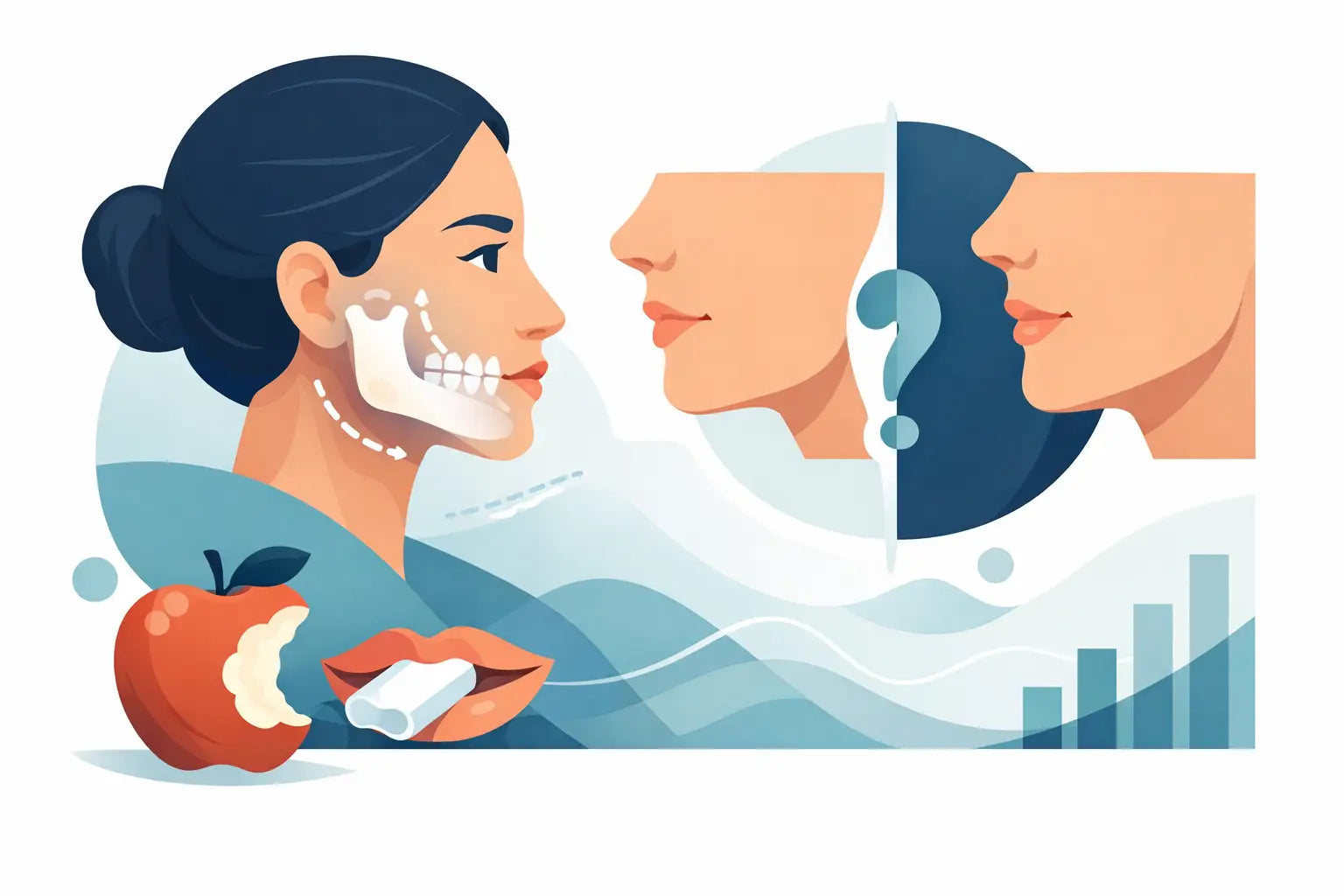


A stronger-looking jawline can change the way your whole face reads in photos, at the gym, and across the table. But when people start researching jaw surgery alternatives, they often run into a major question: are they trying to improve facial definition, fix a bite, or address pain? The answer determines what can realistically help.
Jaw surgery, also called orthognathic surgery, is a serious medical procedure designed to reposition the jawbones. It can be life-changing for people with major bite misalignment, breathing issues, injury-related changes, or jaw function problems. It also involves anesthesia, recovery time, swelling, cost, and a decision that should never be made solely because of a trend or a single unflattering selfie.
If your goal is aesthetic improvement without an operation, there are practical options worth considering. They do not all create the same result, and none should be sold as a substitute for medically necessary surgery. But for many people pursuing a sharper, more defined facial profile, a targeted routine can be the more sensible first move.
When surgery is not the first answer
The first distinction is simple: bone position and facial definition are not the same thing. Surgery can move bone. Non-surgical approaches generally work with the muscles, teeth, soft tissue, body composition, and styling choices you already have.
If you have trouble chewing, persistent jaw locking, significant pain, loud joint clicking with discomfort, speech changes, sleep-breathing concerns, or a bite that does not meet properly, start with a dentist, orthodontist, oral and maxillofacial surgeon, or physician. Those symptoms deserve a real evaluation. Trying to train through pain is not discipline. It is a bad bet.
On the other hand, if your bite is functional and your goal is to enhance facial definition, avoid looking overly soft through the lower face, or build a more intentional grooming routine, non-surgical options may be far more appropriate.
1. Orthodontic treatment for bite and tooth position
Braces and clear aligners can improve how teeth sit, how the bite closes, and in some cases the visual balance of the smile and lower face. For mild to moderate dental crowding, spacing, or bite issues, orthodontics may reduce the need for more invasive treatment.
There is a limit. Aligners move teeth, not the entire jawbone. If a person has a major skeletal overbite, underbite, open bite, or asymmetry, orthodontics alone may not provide the change a surgeon would achieve. Still, a professional orthodontic consultation is one of the smartest places to begin because it separates a dental issue from a cosmetic concern.
2. Build the masseter muscles with controlled resistance
Your masseters are the powerful chewing muscles at the sides of the jaw. Like other muscles, they respond to use and resistance. For people whose facial structure already has reasonable balance, developing these muscles may create a stronger, more athletic-looking lower face over time.
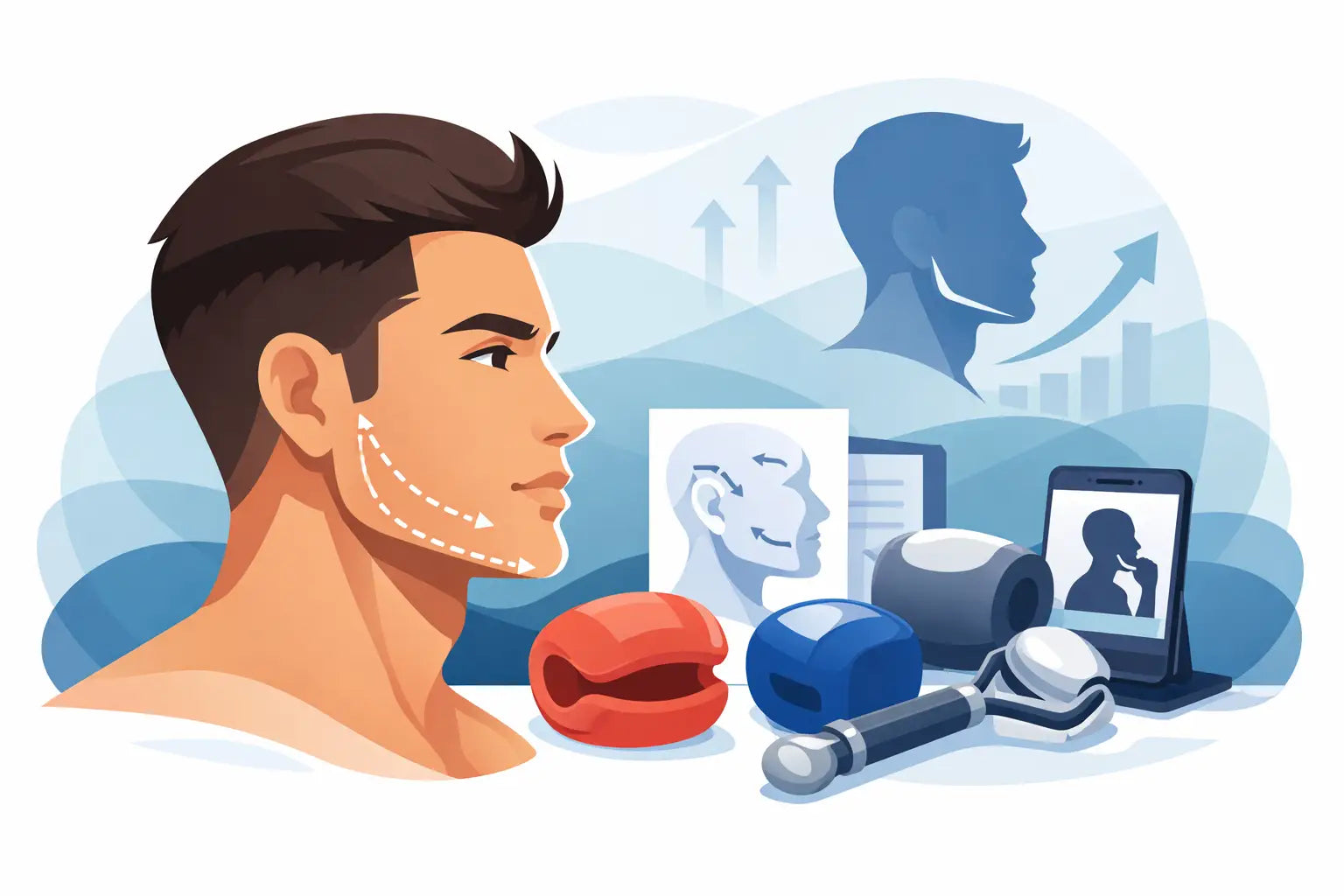
This is where a consistent facial fitness routine can make sense. Progressive resistance chewing gum or a purpose-built jaw exerciser provides a more deliberate challenge than casual gum chewing. JAWLINER products are designed around that fitness-style progression, from beginner-friendly resistance to tougher levels for experienced users.
The goal is not to chew endlessly or force rapid change. Start conservatively, keep sessions short, and give your jaw time to adapt. Visible results vary with genetics, baseline muscle size, body-fat level, and consistency. Think of jaw training like any other training block: controlled effort, recovery, and realistic expectations beat random intensity.
Do not use resistance training if you have active TMJ pain, jaw joint problems, dental instability, recent oral surgery, or unexplained facial pain without first speaking to a qualified clinician. Stop if exercise causes pain, headaches, clicking that worsens, or locking.
3. Reduce facial fullness through overall body composition
A defined jawline often has less to do with the jaw itself than with the layer over it. You cannot spot-reduce fat from the face, but changes in overall body composition can make the cheekbones, chin, and jaw contour more visible.
This is not an argument for extreme dieting. Aggressive restriction can leave you looking tired, affect training performance, and create a cycle that is hard to sustain. A better approach is the same one that works for the rest of your physique: regular strength training, enough protein, consistent movement, quality sleep, and an eating pattern you can maintain.
Temporary facial puffiness can also be affected by alcohol intake, high-sodium meals, poor sleep, allergies, and hydration habits. Those factors will not reshape your skeleton, but managing them can make your face look less swollen and more defined from week to week.
4. Improve head, neck, and tongue posture
Forward-head posture can make the jaw and chin look less prominent, especially in side-profile photos. It can also encourage a collapsed-looking neck position. Improving how you hold your head will not move your bones into a new position, but it can improve the presentation of the features you have.
Aim for a neutral head position rather than pushing your chin forward. Keep your shoulders strong, avoid spending every hour folded over a screen, and build upper-back mobility into your regular training. Good posture creates a cleaner visual line from the chin through the neck and upper chest.
Tongue posture gets a lot of attention online. Resting the tongue gently against the palate, with lips closed and teeth not clenched, is generally a normal resting pattern for many people. Claims that tongue exercises can dramatically reshape an adult jaw are much bigger than the evidence supports. Use posture as a presentation and habit tool, not a promise of bone remodeling.
5. Consider injectables for temporary contour changes
Non-surgical aesthetic treatments can alter facial proportions without an operation. Chin filler may add projection, jawline filler can create a sharper contour, and some providers use other treatments to address a softer jaw-neck transition.
These options are not casual beauty purchases. Results depend heavily on the skill of the licensed medical professional, the anatomy of your face, and the product used. Fillers are temporary, require maintenance, and carry real risks when performed incorrectly. More volume is not automatically better. An overfilled jawline can look unnatural or throw off facial balance.
Botulinum toxin injections into the masseter are another common option, but they do the opposite of jaw training: they reduce muscle activity and may slim a wide lower face. That can suit someone who wants a narrower look, but it is not the move for someone trying to build a stronger, more squared facial profile. Repeated treatment may also affect chewing comfort or facial proportions, so get advice from an experienced medical injector.
6. Address the chin, not just the jaw
Sometimes the feature people describe as a weak jawline is actually limited chin projection. A recessed or small chin can make the jaw-neck angle look softer even when the jaw itself is structurally normal.
A cosmetic provider may discuss temporary chin filler, while a plastic surgeon may discuss a chin implant or sliding genioplasty for a permanent surgical change. These are different decisions with different risks and recovery profiles. The useful takeaway is that a balanced profile is not always solved by making the jaw wider or sharper. Proportion matters more than chasing one feature in isolation.
7. Use grooming, photos, and style strategically
This is the least invasive option and often the fastest way to see a difference. Facial hair can add structure, especially around the chin and jaw corners. A clean neckline, a beard shape that suits your face, and a haircut with the right amount of volume can change how defined your face appears.
For photos, keep the camera slightly above eye level or directly at eye level, stand tall, bring the forehead subtly forward rather than cranking the chin up, and use light that comes from in front of you. These are not tricks to replace real progress. They are practical ways to present yourself better while you build habits that support your goals.
Choosing between jaw surgery alternatives
The best path depends on what you want changed. If the issue is functional, get a clinical diagnosis before considering aesthetics. If the issue is tooth alignment, orthodontics may be the right lane. If you want a more defined lower face and have no jaw pain or joint problems, body-composition habits, posture, and gradual masseter training are low-commitment places to start.
If you want an immediate but temporary contour adjustment, a qualified medical aesthetic provider can explain injectables and their trade-offs. If your concern is a severe skeletal imbalance, non-surgical options may improve presentation but cannot replace the correction surgery is designed to deliver.
The strongest move is not choosing the most extreme option. It is choosing the one that matches your anatomy, your health, and the result you actually want. Start with the controllable habits, train with patience, and let consistent effort shape the version of your profile you can realistically build.