

A sharper jawline is not built by wishful thinking or one marathon chewing session. It comes down to what you can actually train, what your genetics set, and whether you can stay consistent without irritating your jaw. So, does chewing affect jaw shape? Yes, it can affect how your jaw looks by working the muscles around it, but it does not rewrite your bone structure overnight.
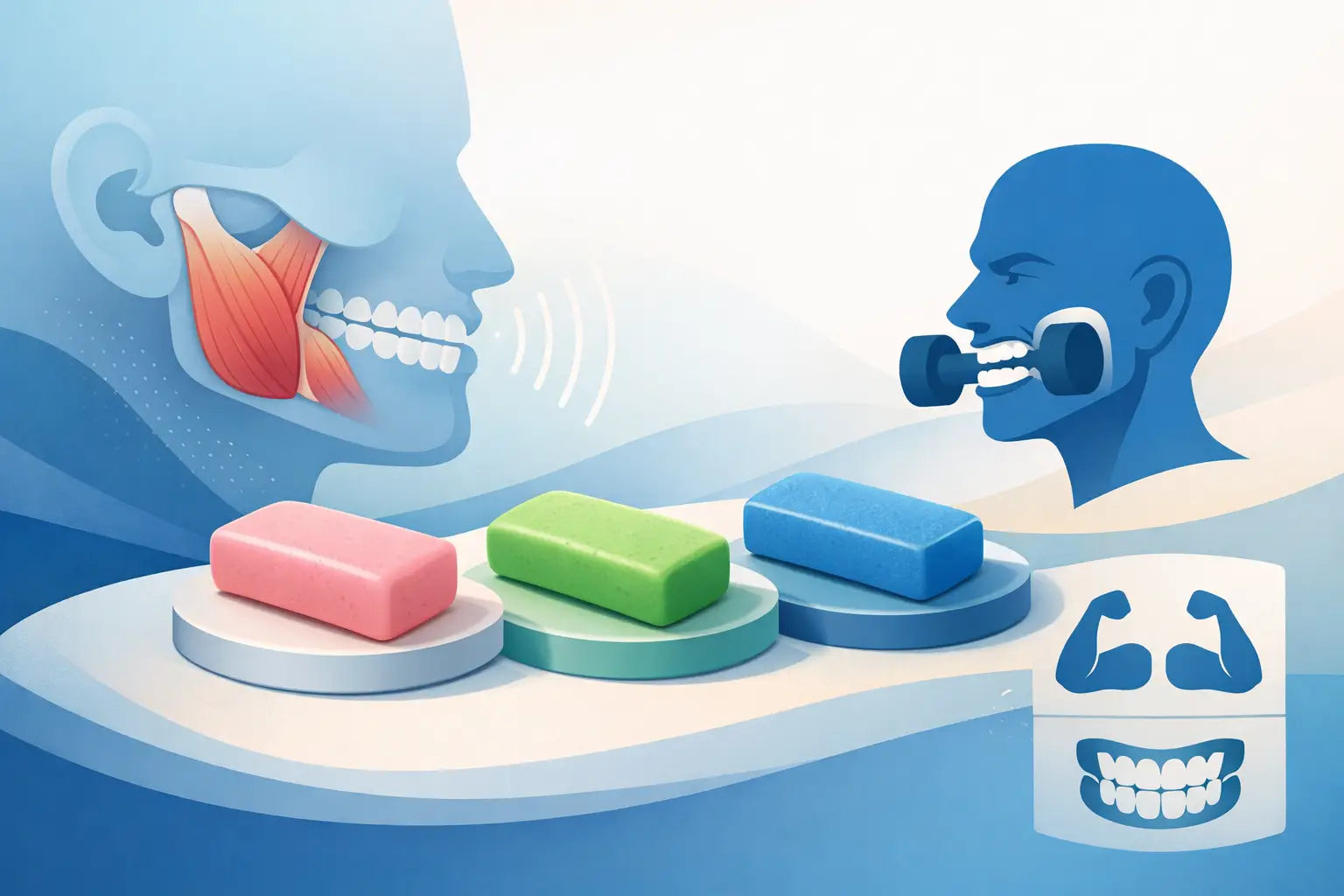
For adults, chewing is best viewed as facial resistance training. A controlled routine can help develop the masseter muscles - the powerful muscles at the sides of your jaw - which may create a stronger, fuller, more defined lower-face appearance. The result varies from person to person, and the best results come from progressive effort, not excessive force.
Does Chewing Affect Jaw Shape in Adults?
Chewing can influence the visual shape of your jaw because muscles respond to use. When you chew against resistance, your masseters repeatedly contract. Over time, just like any other trained muscle, they may become more developed. For someone with a naturally narrow or less prominent lower face, that added muscle can make the jaw area look wider, stronger, and more structured.
That distinction matters. Chewing primarily affects muscle, not the underlying dimensions of your jawbone. By adulthood, your skeletal facial structure is largely established. No chewing routine can promise to lengthen a chin, change the angle of the mandible, or create a completely different face.
But visual definition is not only about bone. In the mirror, people see the combined effect of your masseter size, facial body fat, skin, chin projection, posture, lighting, and genetics. Building the muscle that frames the sides of your jaw is one controllable part of that equation.
What Chewing Can Change - and What It Cannot
A consistent chewing routine may support more developed jaw muscles and a stronger lower-face profile. It can also give you a structured daily habit, much like training your shoulders, arms, or core. The goal is steady progression: enough resistance to challenge the muscle, enough recovery to keep your jaw feeling normal.
What it cannot do is spot-reduce face fat. You cannot chew fat away from under the chin or along the cheeks. If fat loss is one of your goals, it comes from your overall nutrition, activity, sleep, and calorie balance. Jaw training and overall fitness can work together, but they do different jobs.
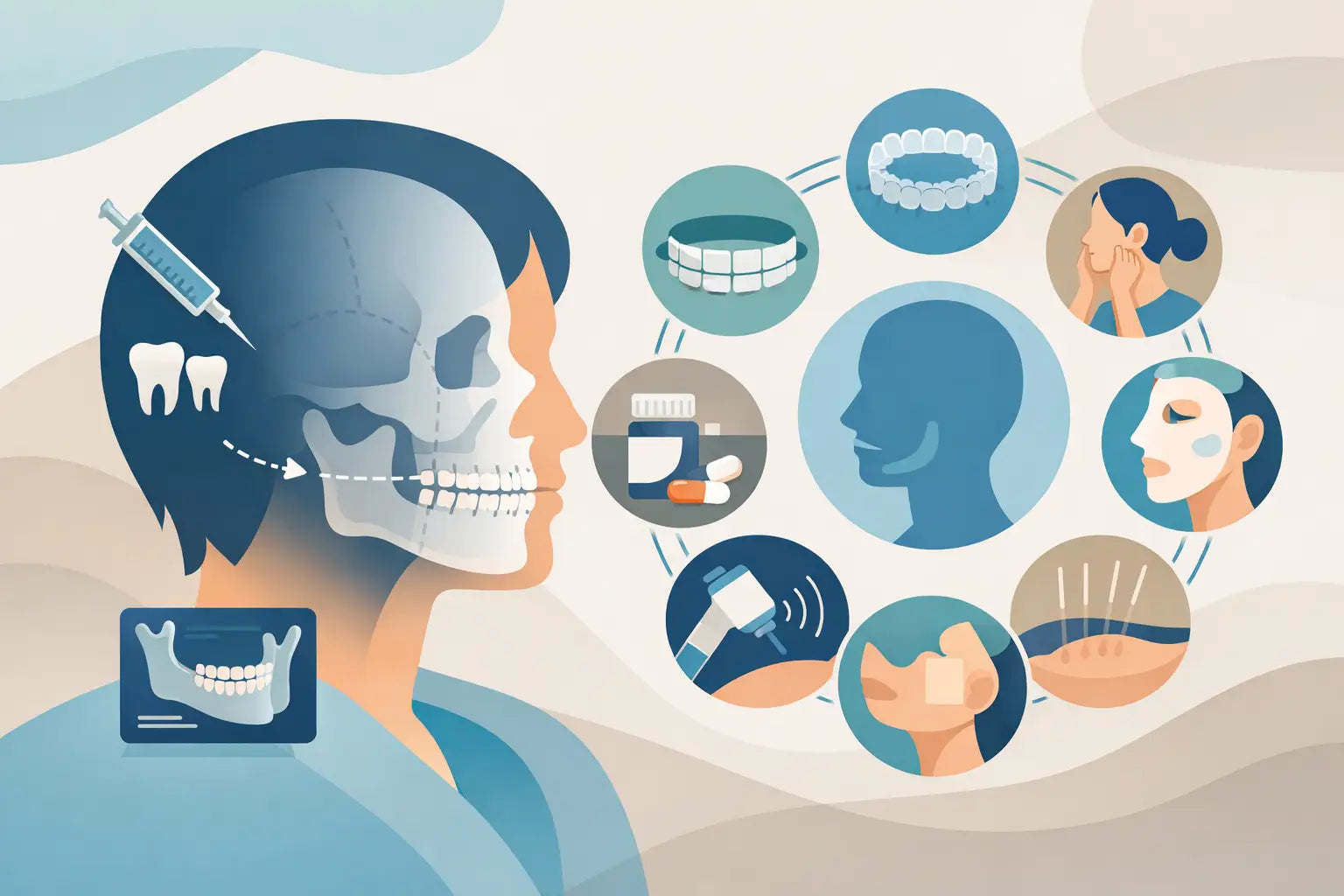
Chewing also cannot reliably correct a bite, treat jaw pain, or replace orthodontic or dental care. If your teeth do not meet comfortably, your jaw clicks painfully, or you suspect clenching or grinding, more resistance is not the answer. Get personalized guidance from a dentist or qualified health professional before adding jaw exercise.
Why Resistance Matters More Than Random Gum
Regular gum gives your jaw something to do, but most standard gum becomes easy quickly. Once your muscles adapt, the challenge drops. That is why purposeful resistance and progression matter for anyone treating jaw definition like a fitness goal.
Think of it this way: lifting the same very light dumbbell forever may maintain a habit, but it does not give your muscles much reason to adapt. The same principle applies to chewing. A firmer resistance tool or gum can create a more meaningful training stimulus, provided you use it with control and do not rush to the hardest option.
JAWLINER approaches this with beginner-to-expert resistance levels, so you can start where your jaw is now and build from there. The right level should feel challenging toward the end of a session without causing sharp pain, lingering soreness, headaches, or tooth discomfort. More resistance is only useful when your form and recovery are ready for it.
Build a Jaw Training Routine You Can Sustain
The most effective routine is rarely the most aggressive one. Your jaw works all day while you eat, talk, and swallow. Training should add focused work, not turn every waking hour into a chewing challenge.
Start conservatively. For a beginner, short sessions on a few days each week are a smart entry point. Pay attention to how your masseters feel the following day. Mild muscle fatigue can happen when introducing resistance, but pain in the jaw joint, temples, teeth, or ears is a signal to stop and reassess.
As your comfort and control improve, progress gradually by using a slightly firmer resistance, adding a little time, or increasing frequency. Change one variable at a time. Jumping from casual chewing to an advanced device or long daily sessions is the facial-fitness equivalent of loading a heavy barbell before learning the movement.
A practical routine should include these habits:
- Chew evenly on both sides rather than favoring one side.
- Keep your neck tall and shoulders relaxed instead of pushing your head forward.
- Use short, controlled sessions rather than constant chewing throughout the day.
- Take rest days if you feel fatigue building, and stop if you feel pain.
How Long Does It Take to See a Difference?
Jaw training is not a 7-day transformation. Muscle adaptation takes consistency. Some people notice increased jaw-muscle engagement or a firmer feeling within several weeks. Visible changes, if they occur, usually require a longer runway of regular training, stable habits, and realistic expectations.
Your starting point has a major influence on the timeline. Someone who already has low facial body fat and a naturally angular jaw may notice added masseter development sooner than someone whose facial fullness softens the jawline. Genetics also influence muscle shape and where your face carries fat. That is not a reason to quit. It is a reason to measure progress against your own baseline instead of someone else's filtered photo.
Take photos in the same lighting, angle, posture, and time of day every few weeks. Do not judge your progress by a single mirror check after a workout, when muscle tension and lighting can make any face look different. Consistent comparisons beat daily guesswork.
The Trade-Off: More Masseter Is Not Every Look
A stronger masseter can create a more square, powerful lower face. For many people, that is exactly the goal: a more masculine, athletic, chiseled profile. Others may prefer a narrower look. Chewing training is not automatically better for every aesthetic target, because muscle growth changes facial proportions differently on each person.
This is also why copying extreme online routines is a bad strategy. More is not always more. Overtraining may lead to jaw soreness, headaches, tooth sensitivity, or aggravation of temporomandibular joint issues. A routine should make you feel more in control of your training, not leave your jaw constantly tense.
If you have a history of TMJ disorder, jaw locking, frequent headaches, dental implants, loose teeth, recent dental work, or ongoing tooth pain, speak with your dentist or clinician before using resistance-based chewing products. Safety is part of disciplined training.
Make Your Jawline Goal Bigger Than Chewing
Chewing can be a useful tool for training the muscles that frame your jaw, but the clearest visual change usually comes from stacking disciplined habits. Train your jaw with progressive resistance, keep your overall fitness routine on track, prioritize sleep, and avoid turning a focused practice into nonstop tension.
Your bone structure may set the foundation, but your habits shape how much of that foundation shows. Start at a resistance you can control, respect recovery, and give the process enough time to earn a real result.