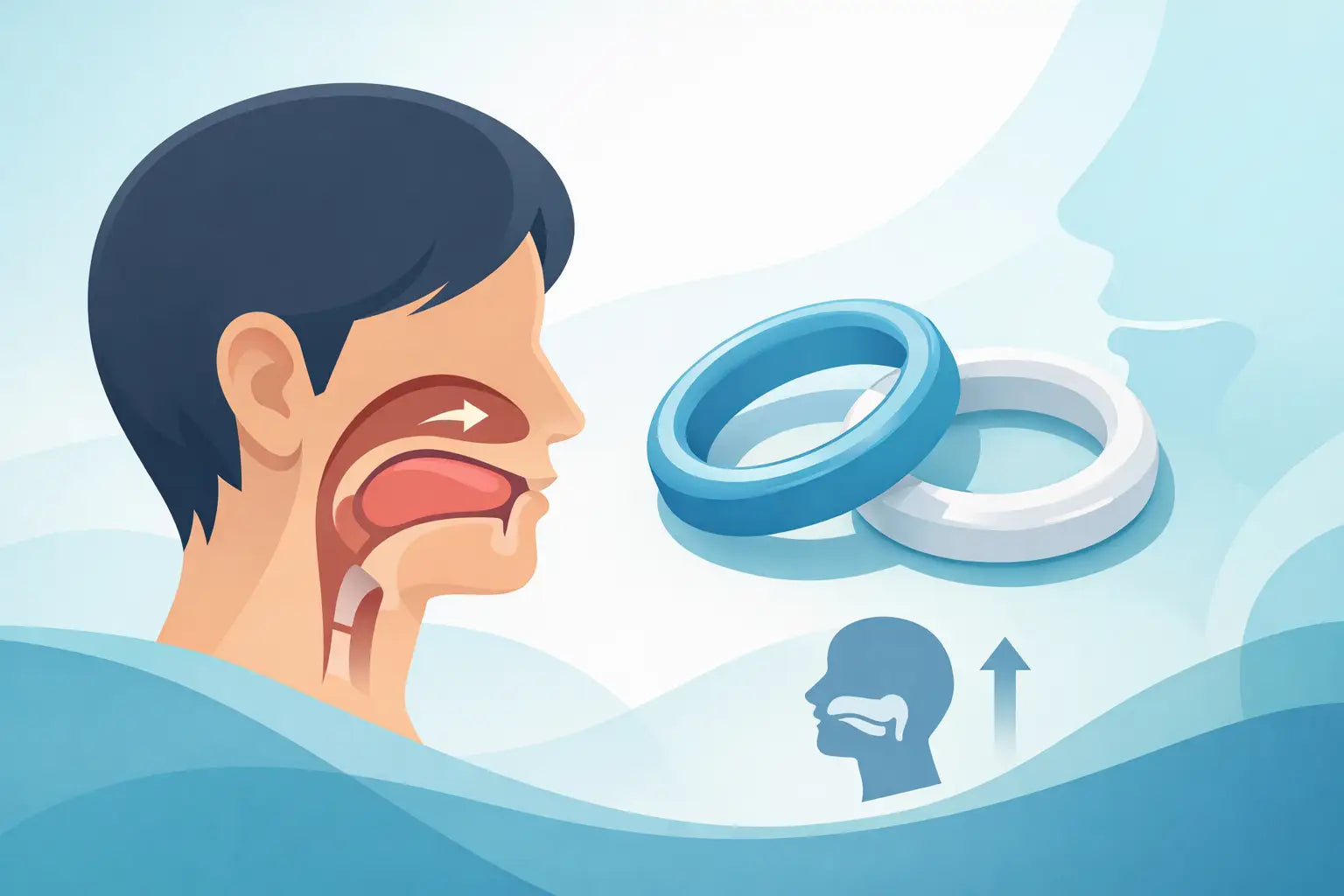


A sharper jawline is not built by randomly chewing harder for hours. It is built with the same principle that applies to any muscle-focused routine: controlled resistance, proper recovery, and progression you can actually sustain. So, is jaw exercise safe? For many healthy adults, it can be when training is gradual and technique stays disciplined. Push too hard, too soon, however, and your jaw can tell you exactly where the line is.
Your masseter muscles are powerful. They work every time you chew, but a purpose-built jaw routine asks more of them than a normal meal does. That is why smart jaw training is not about proving how much resistance you can handle on day one. It is about building strength without turning facial fitness into jaw pain.
Is Jaw Exercise Safe When You Train Correctly?
Jaw exercise can be a controlled way to challenge the chewing muscles that contribute to a stronger-looking lower face. Like lifting weights for your body, the safety of the routine comes down to load, form, frequency, and your starting point.
A beginner who jumps straight into high resistance and long sessions is more likely to develop unnecessary tightness or soreness than someone who starts conservatively. The goal is muscle engagement, not strain. You should feel your masseters working, especially along the sides of the jaw, but you should not feel sharp pain, joint pain, locking, or pressure that gets worse as you train.
Think of your jaw as a training system, not a shortcut. Consistent, manageable sessions give your muscles time to adapt. Aggressive chewing marathons do not speed up that process. They usually just make recovery harder.
Your Jaw Muscles Need Progressive Resistance
The masseters are designed for repeated use, but that does not mean they need maximum resistance every day. Training works best when the challenge matches your current level. That is the point of resistance progression: establish control at an easier level, then increase the challenge only after your jaw has adapted.
Start with shorter sessions and pay attention to how your jaw feels later that day and the following morning. Mild muscle fatigue can happen when you introduce a new training stimulus. Persistent tenderness, headaches, or soreness that affects eating are signs that the session was too much.
A simple rule works well: earn the next level. If your current resistance feels controlled, your form stays even on both sides, and you recover comfortably between sessions, you may be ready to progress. If not, stay where you are. There is no prize for rushing a muscle-building routine.
JAWLINER structures its resistance tools from beginner to expert for exactly this reason. A defined jawline is a long-game result, and a level-by-level approach gives you a better chance of training consistently without overwhelming your jaw.
What Good Jaw Exercise Form Feels Like
Good form is quiet, controlled, and balanced. Keep your head upright rather than jutting your chin forward. Chew with a steady rhythm and avoid clenching down as hard as possible. Move the resistance from side to side as instructed so one masseter does not take over the entire session.
Your goal is to train the muscles, not grind your teeth. Teeth grinding and jaw exercise are not the same thing. Grinding often involves unconscious force, prolonged pressure, and strain on the teeth and jaw joints. Intentional jaw training should be limited, measured, and easy to stop when your body gives you feedback.
If you catch yourself tensing your neck, shrugging your shoulders, or forcing your teeth together, reset. A stronger routine starts with cleaner movement, not more force.
When Jaw Exercise Is Not the Right Move
Not every jaw needs added resistance. If you have an existing jaw joint issue, a history of temporomandibular joint disorder (TMJ or TMD), frequent jaw clicking with pain, jaw locking, or unexplained facial pain, skip resistance training until you have spoken with a dentist or qualified healthcare professional.
The same caution applies if you are recovering from dental work, oral surgery, an injury, or orthodontic treatment. Your teeth, bite, joints, and surrounding tissues may need time to heal or may have specific restrictions. Training through that kind of discomfort is not disciplined. It is a bad trade.
You should also pause if you experience recurring headaches, ear-area pain, pain while eating, numbness, or a noticeable change in how your teeth meet. Those signals do not mean you need a tougher product or longer session. They mean it is time to stop and get individualized guidance.
The Difference Between Normal Fatigue and a Warning Sign
A little awareness prevents most avoidable mistakes. New trainees sometimes mistake discomfort for proof that a workout is working. That mindset belongs nowhere near your jaw joints.
Normal training feedback is usually mild and temporary. Your masseters may feel worked after a session, similar to the feeling of exercising any other muscle group. It should settle with rest and should not interfere with speaking, eating, sleeping, or opening your mouth normally.
Warning signs are different. Stop training if you feel sharp pain, pain directly in the jaw joint, popping or clicking that hurts, locking, swelling, tooth pain, or symptoms that remain or worsen after rest. Do not try to chew through it. More resistance is not always more progress.
Build a Jaw Routine That Respects Recovery
The best facial fitness routine is one you can repeat consistently. That means leaving room for recovery, especially when you are new to resistance chewing. Start at a manageable frequency and duration, then adjust based on how your jaw responds. Your routine should fit around normal life, not leave you dreading your next meal.
A few habits make a major difference:
- Begin with beginner-level resistance and short, controlled sessions.
- Keep chewing balanced between the left and right sides.
- Give your jaw rest days, particularly after a new resistance level or a harder session.
- Avoid stacking intense jaw training on top of habitual gum chewing or nighttime teeth grinding.
- Stay aware of your posture, neck tension, and bite pressure throughout the session.
Do Not Chase Instant Visual Changes
Jawline appearance is influenced by more than muscle. Your facial structure, body composition, skin, posture, genetics, and daily habits all play a role in how defined your lower face looks. Jaw exercise is a targeted practice for the chewing muscles, not a promise that everyone will develop the same facial shape.
That is not a reason to train without purpose. It is a reason to set a realistic goal: build a stronger routine, develop better awareness of your jaw muscles, and give your effort enough time to show. The people who make progress tend to be the ones who stay patient enough to train safely.
Smart Training Creates Better Definition
Jaw exercise is safest when it feels like fitness, not punishment. Start lighter than your ego wants, maintain control, and progress only when your jaw has earned it. A sharper-looking profile is worth pursuing with discipline, but your long-term confidence comes from a routine that leaves you feeling stronger, not beat up.
Train with intention. Respect the warning signs. Then let consistency do the work.