

You can train hard, eat clean, and build a sharper daily routine, but poor sleep will still show up in your energy, recovery, and appearance. That is why mouth tape for better sleep has become a popular nighttime habit among people focused on self-improvement. The goal is simple: encourage nasal breathing by gently keeping the lips closed during sleep.
Simple does not mean automatic. Mouth taping can be a useful experiment for some people, but it is not a universal sleep fix, a substitute for treating snoring, or a shortcut to a more defined jawline. Your breathing comes first. Before you add anything to your nighttime routine, know what it can do, what it cannot do, and when to leave the tape in the drawer.
What Mouth Tape for Better Sleep Is Meant to Do
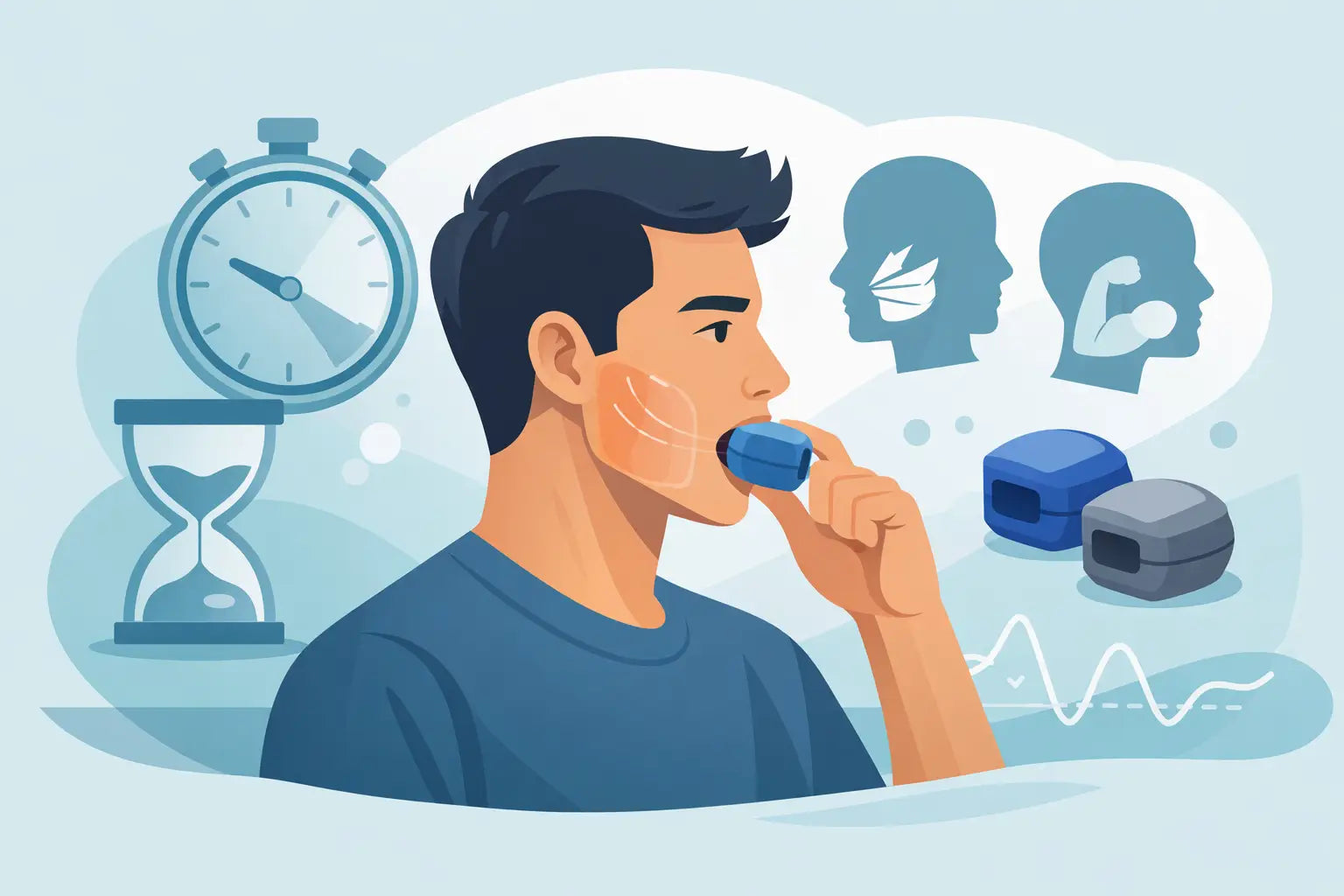
Mouth tape is a small strip of skin-safe tape placed over the lips before bed. It is designed to make mouth breathing less likely and support breathing through the nose. Nasal breathing naturally filters, warms, and humidifies air before it reaches the lungs. For people who wake with a dry mouth after sleeping with their mouth open, that change can feel meaningful.
Some users report waking with less throat dryness, less drooling, and a more settled feeling in the morning. Others find that closing the mouth makes them more aware of their breathing habits and encourages a more consistent sleep routine. Those are possible personal benefits, not guarantees.
The key distinction is this: mouth tape is a behavioral tool, not a medical treatment. It does not cure sleep apnea, fix chronic congestion, reshape facial bones, or replace the fundamentals of quality sleep. A cool, dark room, a regular bedtime, enough total sleep, and clear airways still do the heavy lifting.
The First Test: Can You Breathe Freely Through Your Nose?
Do not tape your mouth shut to force a breathing pattern your body cannot support. If nasal breathing feels restricted while you are awake, it will not become easier because you added tape at night.
Before considering mouth tape, sit upright and breathe normally through your nose for several minutes. You should feel calm, comfortable, and able to get enough air without effort. If one or both nostrils feel blocked, address that first. Seasonal allergies, a cold, a deviated septum, enlarged nasal structures, and chronic sinus issues can all make nasal breathing difficult.
Nasal congestion has practical solutions, depending on the cause. A saline rinse, allergy management, bedroom humidity adjustments, or a conversation with a clinician may help. The point is not to push through discomfort. Discipline is useful in training. Ignoring a breathing limitation is not discipline.
Snoring Is a Reason to Pause, Not Push Harder
Loud, frequent snoring deserves attention, especially if it comes with gasping, choking, morning headaches, daytime fatigue, trouble concentrating, or a partner noticing pauses in breathing. Those can be signs of obstructive sleep apnea, a condition that needs professional evaluation.
Mouth tape may make some people quieter at night if their snoring is related to an open mouth, but quiet is not the same as safe. If your airway is narrowing or closing during sleep, taping the mouth can mask a symptom without solving the cause. Do not use mouth tape as a DIY answer to suspected sleep apnea.
You should also avoid mouth taping if you have severe nasal obstruction, breathing conditions that affect nighttime airflow, facial skin reactions to adhesive, or any condition that makes it difficult to remove the tape quickly. If you take sedating medications, use alcohol before bed, or simply feel anxious about having your mouth covered, skip it and speak with a healthcare professional if sleep breathing is a concern.
How to Try Mouth Tape More Safely
If you breathe comfortably through your nose, have no warning signs of sleep-disordered breathing, and want to test the habit, start conservatively. Your first night is not a test of toughness. It is a check for comfort and compatibility.
Choose tape made specifically for the lips or a gentle, breathable, hypoallergenic option intended for skin. Do not use aggressive household tape, duct tape, or anything that can irritate skin or make removal difficult. The tape should be easy to remove with one hand.
Instead of sealing the full width of your mouth immediately, try a small vertical strip at the center of closed lips. This can provide a reminder to keep the mouth closed while leaving more room around the sides. Test it for a few minutes while awake, sitting up, and relaxed. If you feel short of breath, panicked, itchy, or uncomfortable, remove it. That is useful feedback, not failure.
For the first few nights, use it only when you are healthy and your nose is clear. Avoid it when you have a cold, after drinking alcohol, or when congestion is high. Keep your routine simple: brush and floss, hydrate earlier in the evening rather than right before bed, make sure the room is comfortable, and give yourself enough time to sleep.
If you wake up and remove the tape, do not force the habit. Review what happened. Were you congested? Was the tape too strong? Were you stressed, overtired, or sleeping in a position that made breathing feel harder? Sleep routines improve through adjustment, not blind repetition.
What Mouth Tape Cannot Do for Your Jawline
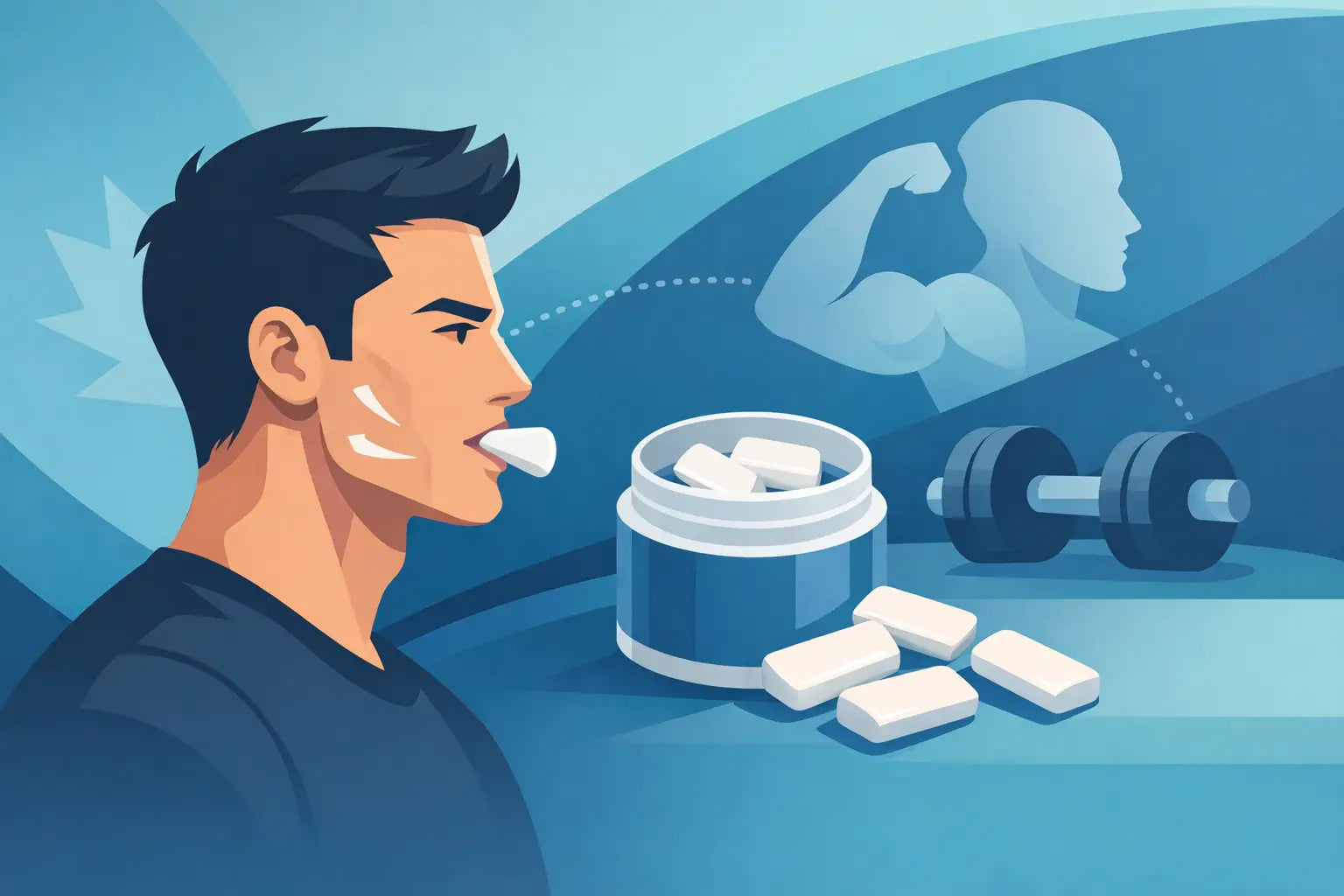
There is plenty of online hype around mouth breathing, posture, facial structure, and jaw definition. The truth requires more precision. Keeping your lips closed at night does not build your masseter muscles. It does not create targeted resistance, and it will not produce a chiseled jawline on its own.
A stronger-looking jawline comes from multiple factors: genetics, body composition, muscle development, posture, grooming, and overall facial proportions. For adults who want to train their jaw muscles, that requires purposeful resistance and controlled progression, just like training any other muscle group. Sleep supports recovery, but sleep tape is not jaw training.
That does not make healthy nasal breathing irrelevant. Better sleep can support training consistency, energy, and the disciplined habits behind physical progress. Think of mouth tape, if it is appropriate for you, as a small recovery habit. Do not confuse it with the main workout.
Build a Sleep Routine That Actually Supports Progress
The strongest nighttime routine does not depend on one product or trend. It creates the conditions for deeper, more consistent sleep. Start with the obvious moves that most people know but do not execute consistently: keep a regular sleep and wake time, reduce bright screens before bed, and avoid heavy meals or alcohol close to bedtime.
Then look at the friction points. If you wake dehydrated, consider whether your room is too dry or too warm. If you are exhausted but cannot fall asleep, look at late caffeine, intense evening stimulation, or an inconsistent schedule. If you snore often, do not make it a joke or a guessing game. Get it assessed.
Your body responds to repeatable signals. The same principle applies to facial fitness, nutrition, strength training, and sleep. Small actions done consistently beat extreme routines you abandon after three nights.
Should You Use Mouth Tape?
Mouth tape may be worth a cautious trial if you can breathe freely through your nose, regularly wake with a dry mouth from open-mouth sleeping, and have no signs of sleep apnea or other airway concerns. It may not be worth it if you are congested, uncomfortable with the sensation, prone to skin irritation, or trying to solve loud snoring and daytime exhaustion.
The best result is not waking up with tape still perfectly in place. The best result is waking up rested, breathing comfortably, and ready to show up for the habits that build your confidence. Treat your airway with respect, keep your sleep routine practical, and put your effort where it creates real progress.