

A sharper lower face can come from very different strategies. In the conversation around jaw resistance versus Botox injections, the biggest difference is simple: one approach asks your masseter muscles to work, while the other temporarily reduces their activity. That difference shapes the look you may pursue, the timeline you can expect, the cost, the commitment, and whether the approach fits your definition goal in the first place.
If you want a more athletic, stronger-looking jaw area, resistance training may align with that objective. If your lower face looks wide primarily because of prominent masseter muscles and you want to soften that width, Botox may be the route a qualified injector discusses. These are not interchangeable shortcuts. They create different effects.
Jaw Resistance Versus Botox Injections: The Core Difference
Jaw resistance training is a fitness-style approach. You chew against controlled resistance to engage the masseters, the powerful muscles at the sides of your jaw used for chewing. Like any training habit, the premise is consistency and progressive challenge. The goal is not to change your face overnight. It is to build a disciplined routine that supports a stronger jaw-muscle appearance over time.
Botox injections for the masseters work in the opposite direction. A licensed medical provider injects botulinum toxin into the muscle to reduce its ability to contract as strongly. Over time, a less-active masseter can decrease in size. This is often called masseter Botox or jaw slimming Botox, although the result depends heavily on your anatomy, dosage, injection placement, and the real cause of lower-face width.
Think of it this way: resistance is about asking a muscle to perform. Botox is about asking a muscle to do less.
What Each Option Is Designed to Change
Your jawline is not one single feature. Bone structure, body fat, skin elasticity, chin projection, muscle size, posture, and even the angle of a photo all affect how defined it appears. That is why choosing an approach based on a trend rather than your actual starting point can lead to disappointment.
Resistance training targets muscular engagement. For someone whose goal is a more powerful, chiseled lower-face look, developing the masseter area may support that aesthetic. It is most aligned with people who already approach their appearance like fitness: show up, train with control, progress gradually, and let consistency do the work.
Botox targets excess masseter activity and volume. Some people pursue it because their lower face appears square or broad, while others receive it under clinical care for jaw clenching or teeth grinding. If the masseters are a major reason your face looks wider, reducing their activity may create a slimmer appearance over several weeks. If your width comes from bone structure, facial fat, or skin, the effect may be limited.
Neither option can selectively burn facial fat. Neither guarantees a perfectly angular jawline. And neither replaces the role of overall body composition, healthy habits, or realistic expectations.
Results, Timeline, and Maintenance
Resistance rewards patience. A short daily session can be convenient, but it is still training. Your routine needs to be regular, and your resistance level should match your experience. Beginners should not attack the toughest level on day one. Muscles and joints respond better to a measured build-up than an all-out effort.
Visible changes from jaw exercise are highly individual. Some people notice a firmer feeling or more developed masseter area over time; others see subtler differences. Genetics, baseline muscle size, body composition, and consistency all matter. Claims that any jaw exerciser can reshape bone or produce identical before-and-after results are not realistic.
Botox usually does not deliver its full aesthetic effect immediately. The muscle-relaxing effect develops after treatment, and visible slimming can take weeks as the masseter becomes less active. The result is temporary. Many people who choose masseter Botox need repeat appointments to maintain it, which makes ongoing cost part of the decision.
For appearance-focused consumers, the maintenance question is often the deciding factor. Training is a repeatable habit you control at home. Injections are a medical treatment that must be administered and repeated by a qualified professional.
The Trade-Off: Stronger Versus Slimmer
The cleanest way to choose is to decide whether you want more lower-face muscle presence or less of it.
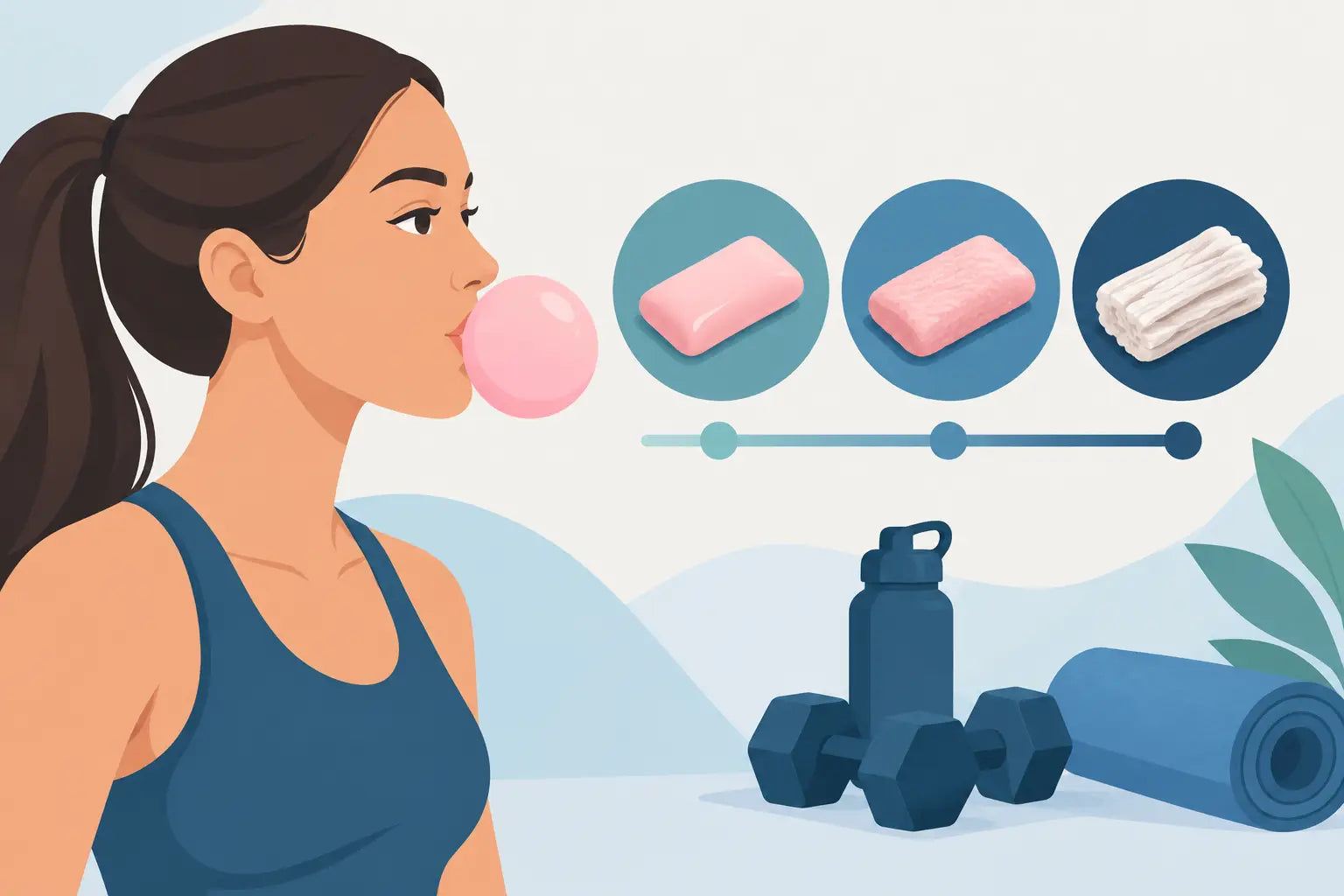
If your ideal is a stronger, more masculine, more athletic-looking jaw area, controlled jaw resistance is the more logical match. A structured product progression, such as starting with lower-resistance gum or a beginner device before moving up, lets you build a routine without guessing. JAWLINER is designed around that progression: purposeful resistance, short sessions, and a clear path from beginner to more advanced training.
If your ideal is a visibly narrower lower face, Botox may be more aligned with that goal - provided a qualified medical professional determines you are an appropriate candidate. It does not train your jaw. It reduces muscle activity, which can reduce muscle bulk over time.
There is also a middle ground that deserves honesty. Some people have strong masseters but still want a sharp jawline. In that case, building more muscle may not automatically create the look they picture. A broader, stronger masseter can add presence, but it can also make the lower face appear wider. Your facial proportions determine whether that reads as chiseled, square, or simply more muscular.
Safety Should Shape the Decision
Resistance is not about forcing your jaw through pain. If chewing causes pain, clicking, locking, headaches, tooth discomfort, or worsening tension, stop the exercise and speak with a dentist or healthcare professional. People with temporomandibular joint issues, active dental problems, recent dental work, or significant clenching should get individualized guidance before adding resistance training.
Good technique matters. Use controlled reps, keep sessions reasonable, and allow your jaw to adapt. More resistance is not automatically better. The disciplined move is to earn progression, not rush it.
Botox also has meaningful considerations. It should only be performed by a properly licensed and experienced medical professional. Possible side effects can include soreness, bruising, temporary changes in chewing strength, asymmetry, and unwanted changes to the smile or facial expression. In some cases, over-reducing the masseter can make chewing feel less comfortable or change lower-face balance in a way the person did not expect.
A consultation should be more than a quick sales pitch. Ask what is creating your facial shape, what dose is proposed, how often maintenance may be needed, and what happens if you dislike the result. A qualified provider should discuss limits, not promise a new face.
Cost and Commitment Look Very Different
Jaw resistance is generally a lower-barrier routine. Once you have the right resistance tool, your investment is mainly daily consistency. It fits easily into a grooming, wellness, or post-workout routine, especially for people who prefer gradual progress over appointments.
Botox carries a higher upfront cost and a recurring commitment if you want to maintain the effect. Prices vary by location, provider, and the amount used, but it is not a one-time solution. You are also placing the outcome in someone else’s hands, which makes provider quality especially important.
That does not make one choice universally better. It makes the choice personal. A person looking to reduce a bulky masseter may find injections worth the maintenance. A person who wants to train toward a more pronounced lower-face look may prefer the autonomy and ritual of resistance.
A Better Way to Choose Your Jawline Routine
Start with a mirror, neutral lighting, and a clear goal. Do you want your jaw muscles to look more developed, or do you want the sides of your lower face to look less prominent? Are you willing to commit to a daily habit, or are you considering a temporary medical treatment with repeat visits? The right answer becomes clearer when you stop treating every jawline goal as the same problem.
Choose resistance when you want to build a consistent facial-fitness practice and your jaw feels healthy enough for controlled training. Choose a medical consultation when clenching, pain, or masseter bulk is the central concern. And do not train through discomfort or book injections based solely on a filtered photo.
Your best jawline plan is the one that matches your anatomy, your aesthetic target, and the level of commitment you can repeat with confidence.